The one thing to know:
Galaxies are giant groups of stars, gas, and dust, all held together by an invisible force called gravity, and our home, the Milky Way, is just one of billions!
TL;DR
- 1Galaxies are huge collections of stars, gas, dust, and dark matter, all bound together by gravity.
- 2They come in different shapes like spirals (like our Milky Way), ellipticals, and irregulars.
- 3There are billions of galaxies in the universe, and they can interact, collide, and even merge over long periods.
Think of it like:
Think of a galaxy like a giant cosmic city. Each star is a house, and the gas and dust are like the parks and roads. Everything is connected and moving, but it's so big that it takes a very long time to travel from one end to the other.
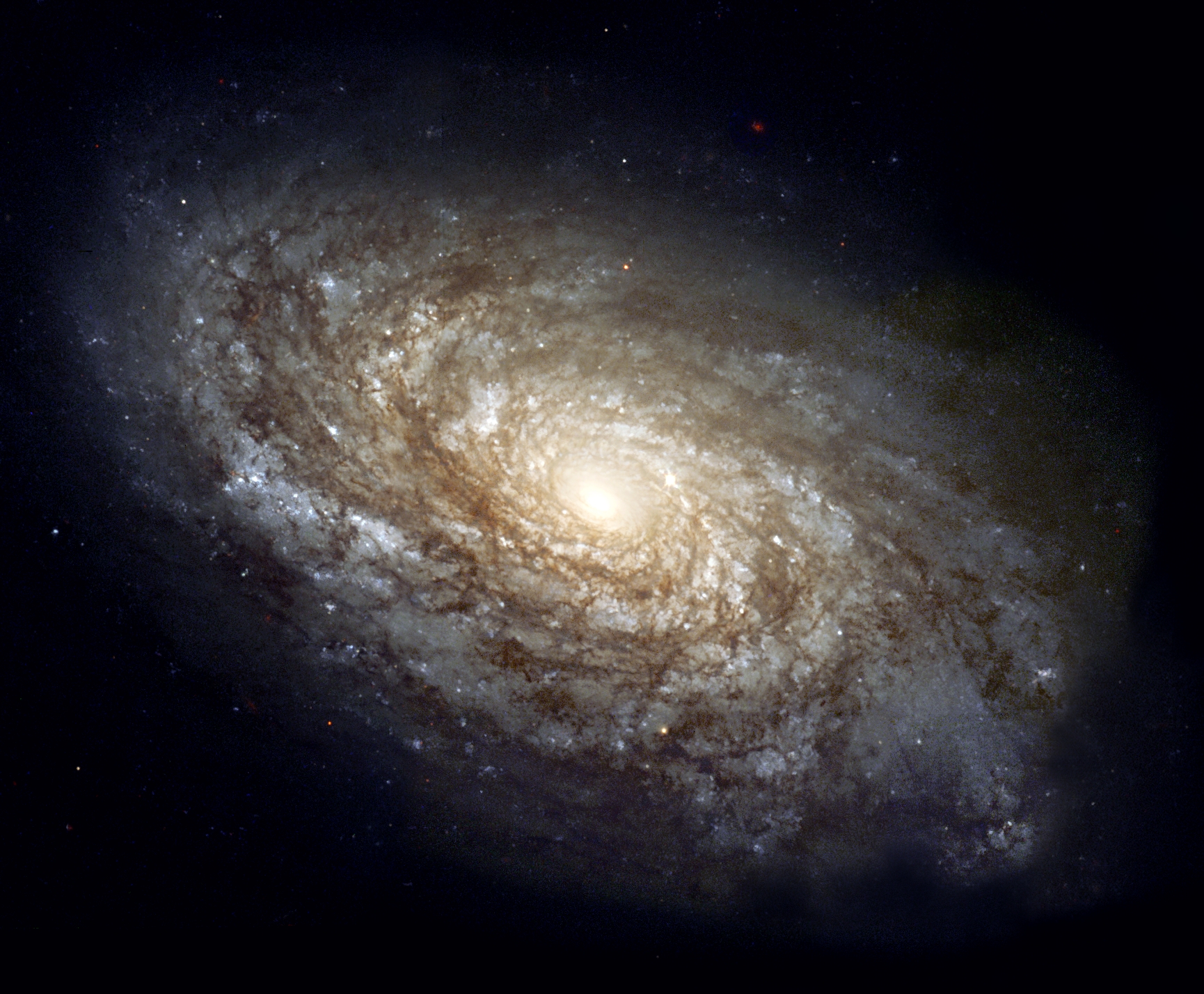
Imagine looking up at the night sky and seeing countless tiny lights. Each of those lights is a , and many of them are part of something much, much bigger: a . A galaxy is like a giant island in space, filled with stars, leftover bits of stars, gas, dust, and something mysterious called . All of these things are held together by a powerful invisible force called . The word "galaxy" actually comes from an old Greek word meaning "milky," because our own galaxy, the Milky Way, looks like a milky band of light across the sky.
Galaxies come in all sorts of sizes. Some are tiny, with less than a thousand stars, while others are super-giants with a hundred trillion stars! Most of a galaxy's weight comes from dark matter, which we can't see. Only a small part is made up of the stars and bright clouds we can observe. Many galaxies also have a super-duper big right in their middle.
Scientists believe there are between 200 billion and 2 trillion galaxies in the part of the universe we can see! They are incredibly far apart, usually millions of light-years away from each other. Our Milky Way galaxy is pretty big, and its closest large neighbor is the Andromeda Galaxy, which is about 2.4 million light-years away.
Just like cars come in different models, galaxies have different shapes. The main types are , which are round or oval, , which look like pinwheels, and , which don't have a clear shape. Our home, the Milky Way, is a spiral galaxy. Sometimes, galaxies can do special things, like making new stars super fast or having a very bright center.
Long ago, people didn't know what these fuzzy patches of light in the sky were. Some thought they were just clouds of gas. But with bigger telescopes, scientists like Edwin Hubble discovered that these "spiral nebulae" were actually other galaxies, far, far away, each with billions of stars!
“Our home, the Milky Way, is a spiral galaxy.”
Elliptical galaxies are like big, smooth eggs or balls. They don't have much gas or dust left, so they don't make many new stars. The stars they have are usually older and just float around in all directions. The biggest galaxies in the universe are a type of elliptical galaxy called cD galaxies. They are super huge and bright, often formed when many smaller galaxies crash into each other and merge.
Sometimes, elliptical galaxies can have cool features like "shells" of stars, which look like ripples. This happens when a smaller galaxy gets swallowed up by a bigger one, and its stars create these wavy patterns.
Spiral galaxies are probably what you imagine when you think of a galaxy! They have a flat, spinning disk with arms that swirl out from the middle, like a pinwheel. In the center, there's usually a bulge of older stars. The arms are bright because that's where lots of new, hot stars are being born. Many spiral galaxies, including our Milky Way, also have a straight bar of stars across their center before the arms begin to swirl.
These spiral arms are like cosmic traffic jams. As stars move through them, they slow down a bit, causing more stars to gather there. This gathering helps new stars to form. Some spiral galaxies are super-luminous, meaning they are extra bright and make new stars much faster than the Milky Way.
“Spiral galaxies are probably what you imagine when you think of a galaxy!”
Not all galaxies fit neatly into the elliptical or spiral categories. Some are called , which are a bit like a mix of both. They have a disk shape but not very clear spiral arms. Then there are irregular galaxies, which are just messy and don't have a specific shape at all! The Small and Large Magellanic Clouds, which you can see from the Southern Hemisphere, are examples of irregular galaxies.
Most galaxies in the universe are actually tiny . They are much smaller than the Milky Way, with only a few billion stars. Many dwarf galaxies orbit larger galaxies, like little moons around a planet. Our Milky Way has at least a dozen of these tiny companions.
Galaxies don't just sit still; they can interact with each other! Sometimes they pass by each other, pulling and stretching each other with gravity. Other times, they can crash right through each other. When this happens, the stars usually don't hit each other because space is so vast, but the gas and dust can collide, which can trigger a burst of new star formation. This is called a .
The most dramatic interaction is a , where two galaxies combine to form one bigger galaxy. Our Milky Way is actually moving towards the Andromeda Galaxy, and in about five to six billion years, they will likely merge to form an even bigger galaxy!
Scientists are always learning more about galaxies using powerful telescopes that can see different kinds of light, not just the light our eyes can see. This helps them study things like hot gas, dust, and even the supermassive black holes at the centers of galaxies. They've learned that galaxies have their own magnetic fields, which help shape them and even help stars to form.
In the very distant future, after all the gas is used up, galaxies will stop making new stars. Eventually, they will be filled with old, dim stars, brown dwarfs, and black holes. It's a very long time away, but it's interesting to think about how these amazing cosmic cities will change over billions and trillions of years!
Some galaxies are called "active" because their central black holes are very busy, sucking in lots of gas and dust. This makes the center of the galaxy incredibly bright, sometimes even brighter than all the stars in the galaxy combined! These are called , and some of the brightest ones are known as quasars. Quasars are like cosmic lighthouses, shining across billions of light-years.
Why does this matter?
- Understanding galaxies helps us know where we come from and how our own solar system fits into the grand scheme of the universe.
- Studying how galaxies form and change helps scientists understand the history and future of the entire universe.
- Learning about different types of galaxies and their interactions gives us clues about how planets and life might form in other parts of space.
Ask Baiku anything about this article
Ask a question and Baiku will answer in plain English 🙂