The one thing to know:
Coral reefs are amazing underwater cities built by tiny animals called polyps, providing homes for tons of sea creatures and protecting our coasts.
TL;DR
- 1Coral reefs are like colorful underwater cities made by tiny animals called polyps, using a special material called calcium carbonate.
- 2These reefs are super important because they are home to a huge number of sea animals, even though they cover a very small part of the ocean.
- 3Coral reefs are facing big problems like warming oceans and pollution, but people are working hard to protect and even regrow them.
Think of it like:
Think of a coral reef like a giant apartment building underwater. Each tiny coral polyp is like a single brick, and together, millions of bricks build this huge, colorful structure. Lots of different sea creatures, from tiny fish to big sharks, live in and around this building, finding food and shelter, just like people live in different apartments in a city.
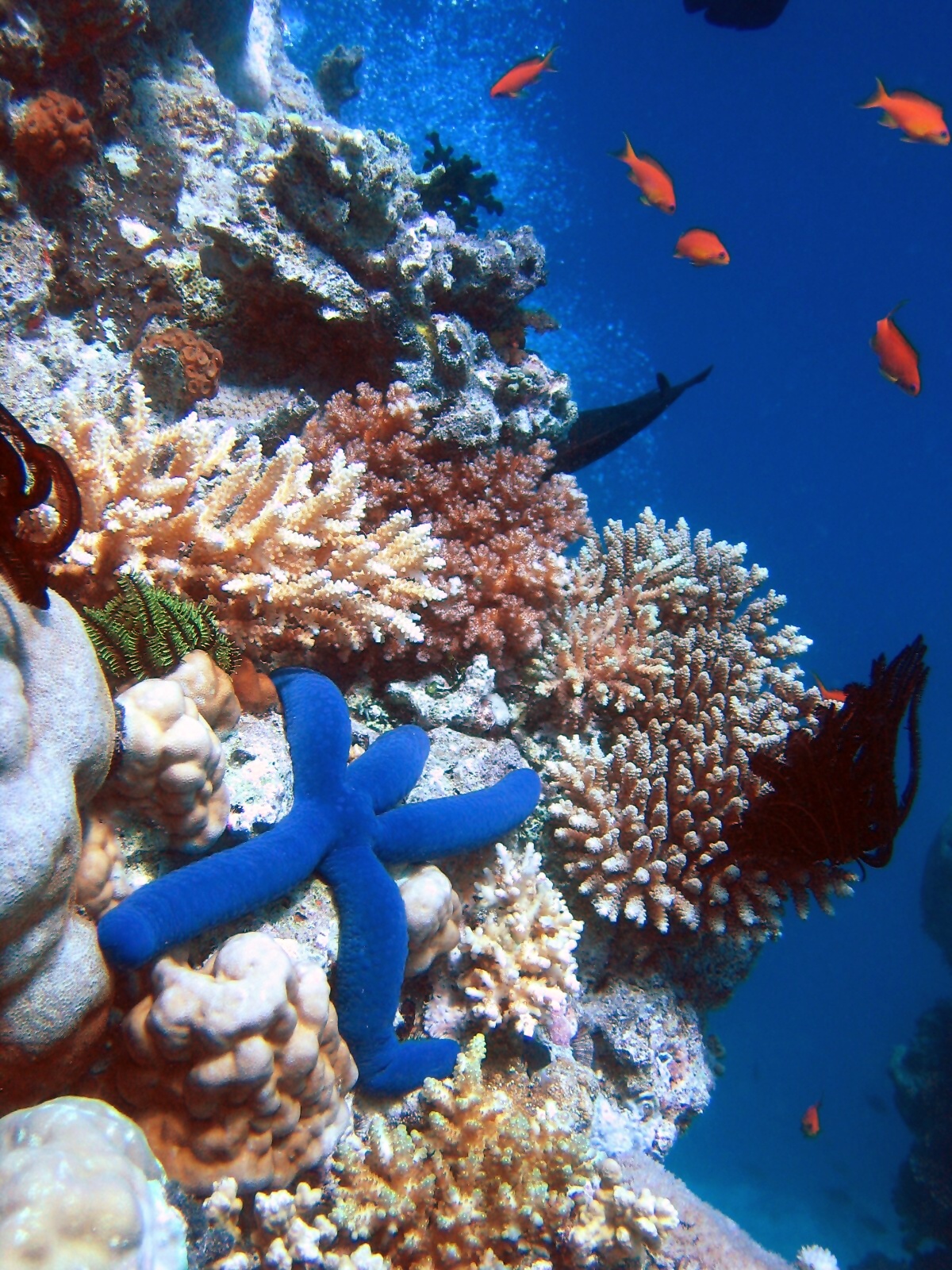
Imagine a bustling underwater city, full of colorful creatures and amazing hiding spots! That's pretty much what a is. These incredible places are built by tiny animals called . These polyps are like little builders, and they create their homes out of a hard, stony material called . Most of these reefs are made by stony corals, which are like little groups of polyps living together.
Corals are actually animals, even though they might look like plants! They are related to sea anemones and jellyfish. But unlike sea anemones, corals make a hard outer shell that protects them. Coral reefs love to grow in warm, shallow, clear, and sunny water where there's a bit of movement. The very first coral reefs started forming a super long time ago, about 485 million years ago!
Even though coral reefs cover less than 0.1% of the ocean, which is about half the size of France, they are home to at least 25% of all the animals in the sea! This includes all sorts of fish, crabs, starfish, and many more. It's amazing how much life can be found in such a small area. Most coral reefs are found in warm, tropical places where the water isn't very rich in food, but they still manage to thrive.
Sadly, many shallow coral reefs have shrunk by half since 1950. They are very sensitive to changes in the water. Things like too much food (from pollution), warmer oceans, and oceans becoming more acidic are hurting them. Even things like certain sunscreens and bad practices on land, like dirty water running into the ocean, can cause problems. Overfishing, where people catch too many fish, also harms the reefs.
“Even though coral reefs cover less than 0.1% of the ocean, they are home to at least 25% of all the animals in the sea!”
Most coral reefs we see today started growing after the last Ice Age, when melting ice made the sea level rise. As the water rose, corals grew upwards to keep up with it. If they grew too slowly, they wouldn't get enough sunlight and would die. You can also find coral reefs in the deep sea, far from land, often around islands that were once volcanoes.
A famous scientist named had a great idea about how some reefs, called , form. He thought that a reef starts growing around a volcanic island. As the island slowly sinks into the ocean, the coral keeps growing upwards, forming a ring around a calm lagoon. Eventually, the island might disappear completely, leaving just the ring-shaped coral reef. Scientists have since found evidence that Darwin was right!
There are a few main types of coral reefs, each with a slightly different shape and location. A is like a border right along the coastline, very close to the shore. They are the most common type. A is similar but is separated from the land by a deeper, wider channel of water. The Great Barrier Reef in Australia is the biggest and most famous example!
Then there are , which can grow almost anywhere the seabed is close enough to the surface for corals to get sunlight. They can be round or long and grow in all directions. Finally, atolls are those beautiful ring-shaped reefs that enclose a lagoon, usually with no island in the middle. These are often found far out in the ocean, like in the South Pacific.
“The Great Barrier Reef in Australia is the biggest and most famous example of a barrier reef!”
Coral reefs are not just made of coral! Other living things help build them too. For example, special types of algae, called , add to the reef's strength and can even build reefs on their own in some places. Sponges, which are simple sea animals, also help by filtering water and sometimes forming their own reefs. Even some types of clams and snails can help build up the reef structure.
Scientists have noticed something interesting called "Darwin's paradox." It's a puzzle because coral reefs are full of life, like an oasis, but they grow in ocean waters that don't have much food. The secret is that reefs are very good at recycling nutrients, and the corals themselves get a lot of their food from tiny algae that live inside them, called . These algae use sunlight to make food, which they share with the coral!
Coral reefs are like busy neighborhoods with different areas. The 'fore reef' is the part facing the open ocean, where there's lots of wave action and many different kinds of animals. The 'reef crest' is the shallowest part, right at the top. And the 'back reef' or 'lagoon' is the calmer, shallower area behind the main reef, often with sandy bottoms and small coral patches.
These different zones are all connected and help each other. For example, the rough shape of the corals helps break up waves, which brings more food to the corals. The water also moves around a lot, bringing nutrients from deeper parts of the ocean up to the reef. This constant movement and recycling are super important for keeping the reef healthy and full of life.
Coral reefs are found all over the world, mostly in warm, tropical waters close to the equator. The biggest one, the Great Barrier Reef, is off the coast of Australia and is huge! There are also big reefs in the Caribbean, the Red Sea, and around many islands in the Pacific and Indian Oceans. Some special corals can even live in deep, cold water, but they are less common.
Sadly, coral reefs are facing many dangers. Things like pollution from land, too much fishing, and even chemicals from sunscreens can hurt them. The biggest threats come from climate change, like warmer oceans and oceans becoming more acidic. When corals get too hot, they can get stressed and turn white, which is called . This can kill them if it lasts too long.
Good news! People are working hard to protect and even bring back coral reefs. One way is by creating (MPAs), which are like national parks for the ocean. In these areas, fishing and other harmful activities are limited to help the reefs recover.
Scientists are also trying new ways to help corals. One method is called "coral farming" or "coral gardening." This is where they grow baby corals in special nurseries and then plant them back onto the reefs. They can even cut corals into tiny pieces, which makes them grow much faster! Another exciting idea is to use special electricity to help corals grow or even find ways to make corals stronger against warm water by helping them get heat-tolerant algae.
Why does this matter?
- Coral reefs protect our coastlines from big waves and storms, like a natural wall, saving homes and beaches.
- They are giant underwater supermarkets, providing food for millions of people who rely on fish from the reefs.
- Reefs are home to a quarter of all ocean life, meaning they keep our oceans healthy and full of amazing creatures for everyone to enjoy.
Ask Baiku anything about this article
Ask a question and Baiku will answer in plain English 🙂


