The one thing to know:
Rain is how Earth gets most of its fresh water, falling from the sky when tiny water droplets in clouds get big and heavy enough.
TL;DR
- 1Rain is water falling from clouds, bringing fresh water to Earth.
- 2It forms when air cools, and tiny water droplets in clouds stick together until they are too heavy to float.
- 3Rain is super important for plants, animals, and even how we make electricity, but too much or too little can cause problems.
Think of it like:
Think of it like a giant sponge (the air) soaking up water. When the sponge gets too full and cold, it can't hold any more water, so it squeezes out drops, and that's rain!

Have you ever wondered where rain comes from? It's like magic, but it's actually a super cool science trick! is just water falling from the sky. It starts as tiny bits of water floating in the air, called . When these tiny bits get together and cool down, they turn into little water drops that make up . When these drops get big and heavy enough, they fall to the ground because of .
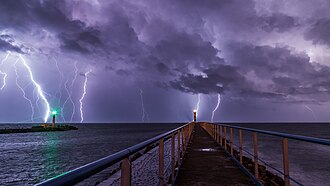
Sometimes rain is super light, like a gentle drizzle. Other times, it can be a quick, strong shower, or even a huge downpour that lasts a long time. Rain can come with other exciting weather, like strong winds in a rainstorm, or bright flashes of light and loud rumbles in a thunderstorm. Sometimes, rain even mixes with snow or tiny ice pellets! Rain is a huge part of Earth's water story, called the . It gives us almost all the fresh water we drink and use. It helps power our homes, waters our food, and keeps all the plants and animals happy.
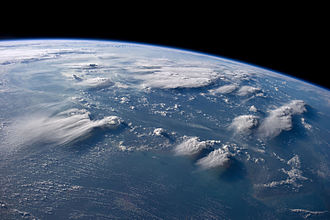
Rain mostly happens because of how air moves around. Imagine big invisible lines in the sky where warm, wet air meets cooler, drier air. These are called . When warm, wet air goes up, it cools down. When it gets cool enough, the water vapor in it turns into tiny liquid drops or ice crystals, forming clouds.
In mountains, when wind pushes wet air up the side, it gets cold and drops its water as rain. This is why one side of a mountain can be super rainy and green, while the other side, called the 'rain shadow,' can be dry like a desert! Also, big weather patterns like the monsoon bring lots of rain to certain parts of the world during special rainy seasons.
“Rain is a huge part of Earth's water story, called the water cycle.”
Air always has some water vapor in it, like an invisible mist. How much water vapor the air can hold depends on how warm it is. Warm air can hold more water than cold air. So, to make rain, the air needs to cool down. Think of it like a cold glass on a hot day; tiny water drops appear on the outside because the air near the glass cools and can't hold all its water anymore.
There are a few ways air cools down. It can rise high into the sky, touch something cold, or even cool itself by letting off heat. When the air cools enough, the water vapor looks for tiny dust or salt particles to stick to. These tiny particles are called , and they help the water drops form clouds. Once these cloud drops get big enough, they are ready to fall as rain.
Once tiny water droplets are in a cloud, they need to get bigger to fall as rain. This happens in two main ways. One way is called . This is when the tiny water drops bump into each other and stick together, becoming one bigger drop. It's like tiny magnets attracting each other! The bigger the drops get, the heavier they become. Eventually, they are too heavy for the air to hold up, and they fall to the ground.
Sometimes, if it's very cold high up in the cloud, ice crystals form instead of water drops. These ice crystals can also grow by collecting more water or other ice crystals. As they fall, if the air below the cloud is warm enough, these ice crystals melt and turn into raindrops before they reach the ground. Raindrops aren't shaped like tears, even though we often draw them that way! They are usually round when small, and then flatten out like tiny hamburger buns as they get bigger. The biggest raindrops ever found were about 10 millimeters wide, which is like the size of a small pea!
“Raindrops aren't shaped like tears, even though we often draw them that way! They are usually round when small, and then flatten out like tiny hamburger buns as they get bigger.”
Sometimes, rain falls from a cloud but never reaches the ground! This is called . The air below the cloud is so dry and warm that the raindrops evaporate (turn back into water vapor) before they can touch the earth. You can sometimes see virga as wispy streaks hanging from clouds, like ghostly rain.
We can measure how much rain falls using special tools called . These are like cups with rulers that collect the rain. We can also use special radar to guess how much rain is falling over a big area. Knowing how much rain to expect helps people plan for things like floods or how much water they'll have for their farms.
People can actually change how much rain falls! Cars and factories put tiny particles into the air, which can act as those condensation nuclei we talked about. This can make more clouds and sometimes more rain, especially downwind from big cities. This is why some cities might get more rain on weekends after a week of pollution building up.
Also, the Earth is getting warmer, which is changing rain patterns all over the world. Some places are getting much wetter, while others are getting much drier. This can cause more floods in some areas and more droughts in others. Scientists are studying these changes very carefully.
Rain is super important for how we live. All plants need water to grow, and rain is the main way they get it. If there's not enough rain, it's called a , and plants can die, and our food supply can be in trouble. If there's too much rain, it can cause floods, which can be very dangerous and damage homes and farms.
Different places on Earth have different amounts of rain. Places like rainforests get a lot of rain all year, while deserts get very little. Some places have a 'wet season' where most of their rain falls, and then a 'dry season' with hardly any. People in different cultures even have special dances or prayers to ask for rain when they need it! The smell of rain, especially after a dry spell, is called , and it's a smell many people love.
Why does this matter?
- Rain fills our rivers and lakes, giving us fresh water to drink, bathe, and grow our food.
- It helps plants and trees grow, which gives us oxygen to breathe and food to eat, and provides homes for animals.
- Too much or too little rain can cause big problems like floods or droughts, affecting homes, farms, and even how much electricity we have.
Ask Baiku anything about this article
Ask a question and Baiku will answer in plain English 🙂