The one thing to know:
Latin is an ancient language from Rome that greatly influenced many languages we speak today, especially English, and is still used for special purposes.
TL;DR
- 1Latin was the language of the powerful Roman Empire and spread across Europe.
- 2It changed over time and eventually turned into new languages like Spanish, French, and Italian.
- 3Even though nobody speaks Latin as their first language anymore, it's still important in science, law, religion, and many English words come from it.
Think of it like:
Think of Latin like a grandparent language. It's not spoken every day by kids anymore, but its children (like Spanish, French, and Italian) and even its grandchildren (like many English words) are all around us, carrying bits of its history and wisdom.
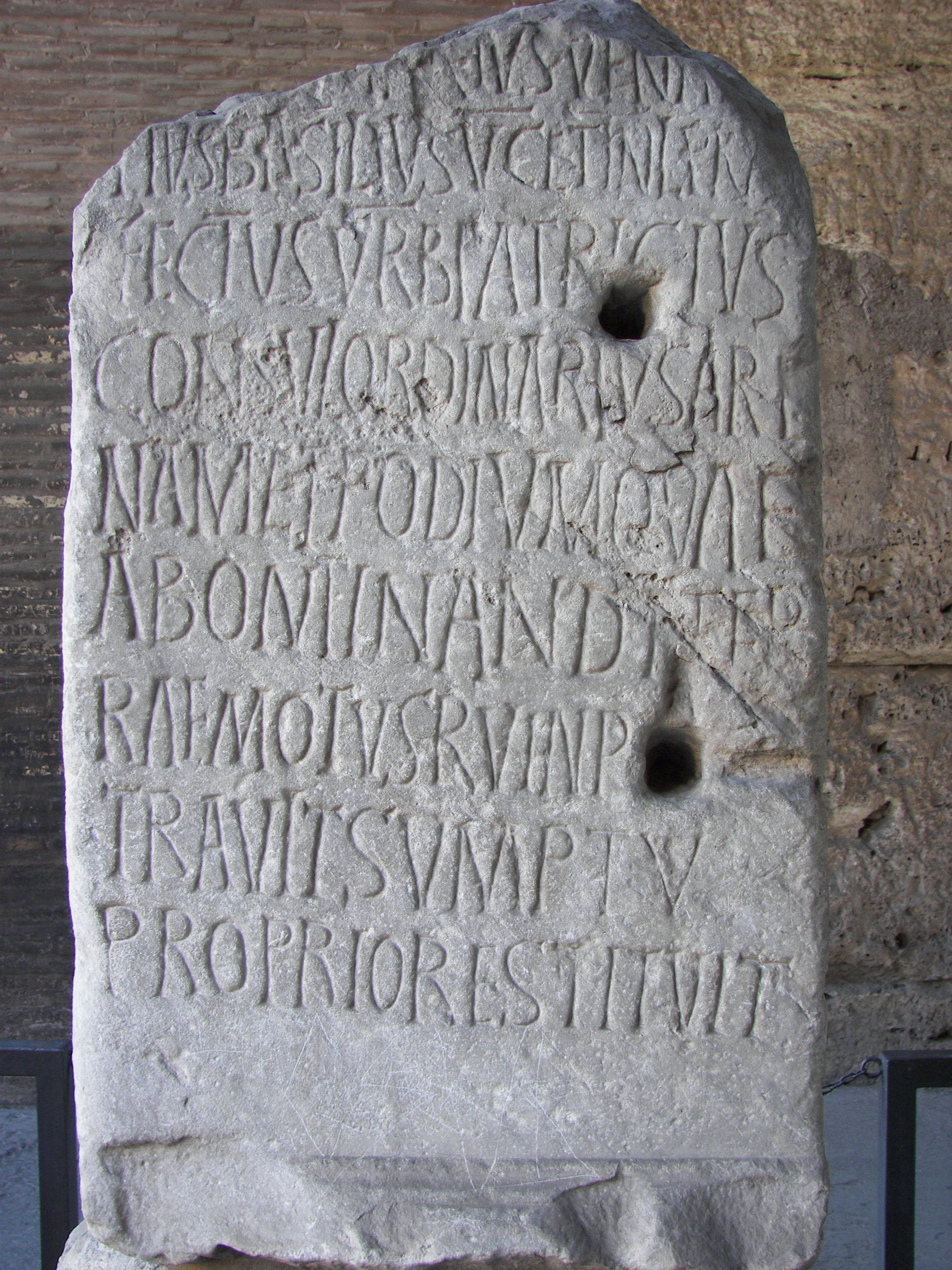
Imagine a super old language that was once spoken by a huge empire! That's . It started in a place called Latium, near the city of in Italy. As the Roman Empire grew bigger and bigger, Latin traveled with it, becoming the main language all over Europe. You might be surprised, but Latin has given us so many words in English, especially after important events like the Norman Conquest. You'll also find Latin words in special jobs like science, medicine, and law.
Latin wasn't always the same. It changed a lot over time, just like your favorite video game gets updates! First, there was Old Latin. Then came , which was like the 'fancy' version, used by famous writers and speakers. But people also spoke a more everyday version called . This was the kind of Latin that ordinary people used in their daily lives, and it was a bit different from the fancy Classical Latin.
Even though some people call Latin a "dead language," it didn't really die. Instead, it changed and grew into new languages! Between the years 600 and 900, Vulgar Latin started to sound different in various places. These changes eventually led to the creation of the beautiful we know today, like Spanish, French, and Italian.
"Latin didn't die; it just had lots of children!"
After the Roman Empire became weaker, Latin was still super important. For a long time, it was the language used for talking between different countries, for science, and for learning in Europe. Even though people started speaking new languages, Latin was still used in schools and for important documents until about 200 years ago.
Later, there were different kinds of Latin, like Medieval Latin (used in the Middle Ages) and Renaissance Latin (used when people rediscovered old Roman ideas). Today, we mostly learn to read Latin, not speak it, but it's still the official language of the and the .
“For a long time, Latin was the language used for talking between different countries, for science, and for learning in Europe.”
Latin has some interesting rules about how words are put together. It's a "fusional" language, which means words change their endings to show what they mean in a sentence. For example, the ending of a word can tell you if it's the person doing an action, or the thing receiving the action. This means that the order of words in a Latin sentence can be much more flexible than in English!
The Latin alphabet, which is what we use for English today, came from the Etruscan alphabet, which came from the Greek alphabet. So, the letters you write every day have a very long history!
Even though Latin isn't spoken by everyone anymore, it's still used in many cool ways today. The Catholic Church uses for some of its services and as its official language. You can even find an ATM in Vatican City that gives instructions in Latin!
Many schools, governments, and organizations use Latin words for their mottos because it sounds formal and connects them to old traditions. For example, the motto for Canada is "A mari usque ad mare," which means "from sea to sea." Many states in the USA also have Latin mottos, like New York's "Excelsior," meaning "Ever upward!" Even military groups use Latin mottos, like the U.S. Marine Corps' "Semper Fidelis," meaning "Always faithful."
Learning Latin is still important for many people. It helps you understand where many English words come from and can even make you better at understanding grammar. Some schools still teach Latin, and there are even groups of people who try to speak Latin together, just for fun!
There are also many books that have been translated into Latin, like "Harry Potter" and "The Hobbit." This helps people practice reading Latin and keeps the language alive in new ways.
Why does this matter?
- You'll understand many big, fancy English words better, especially in science class or when reading important documents, because so many come from Latin.
- It helps you learn other languages like Spanish, French, or Italian much more easily, as they are direct descendants of Latin.
- You'll appreciate the history of words and how languages change over time, which is like being a language detective!
Ask Baiku anything about this article
Ask a question and Baiku will answer in plain English 🙂


