The one thing to know:
Our everyday actions release special gases that act like a warm blanket around Earth, making our planet hotter.
TL;DR
- 1Human activities, like burning fuel, release gases called greenhouse gases, mainly carbon dioxide.
- 2These gases trap heat, making Earth warmer, which causes big changes to our planet's weather and nature.
- 3Countries like China and the U.S. release the most gases, and big companies that make oil and gas are major sources.
Think of it like:
Imagine Earth is wearing a cozy blanket. Greenhouse gases are like adding more and more blankets. A few blankets keep us warm, but too many make us super hot and uncomfortable! That's what's happening to Earth.
Have you ever wondered why it feels like the Earth is getting warmer? It's because of something called . These are special gases that humans put into the air. When we do things like drive cars or use electricity, these gases go up into the sky. They act like a big, invisible blanket around our planet, trapping heat and making Earth warmer. This warming is what we call . The main gas causing this is (CO2), which comes from burning things like oil, coal, and natural gas to power our homes and cars. China and the United States release a lot of these gases, and big companies that make oil and gas are also a huge part of the problem. Since people started building lots of factories and using more machines, the amount of carbon dioxide in the air has gone up by about 50%!
There are a few different types of these heat-trapping gases. Carbon dioxide is the biggest one, causing more than half of the warming. But there are others too, like and . Methane comes from things like cows burping and from leaky gas pipes. Nitrous oxide often comes from farms when people use special plant food called fertilizers. Even tiny amounts of some gases called 'fluorinated gases' (F-gases), found in things like refrigerators, can trap a lot of heat. All these gases have been increasing, meaning more heat is getting trapped.
A lot of these gases come from how we get our energy. Making electricity, heating our homes, and driving cars cause about 73% of all these emissions. Even things like cutting down forests, called , release carbon dioxide and methane because trees help soak up these gases. And guess what? The energy used by computers and the internet, especially for things like artificial intelligence (AI), is starting to add to this problem too!
“The main gas causing this is carbon dioxide (CO2), which comes from burning things like oil, coal, and natural gas to power our homes and cars.”
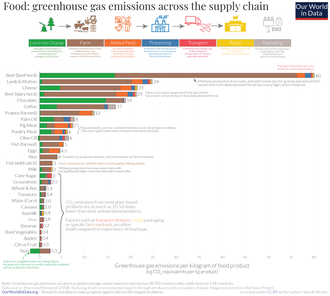
Scientists have a way to measure how much of these gases different things release. It's called a 'carbon footprint'. Think of it like a score that tells you how much greenhouse gas is made when you make a toy, grow food, or even just use your phone. This helps us understand which activities create the most gases. They also use something called 'carbon accounting' to track how much gas big companies or countries release. This helps them see how these gases affect our planet and even people's health.
So, where do most of these gases come from? A huge amount comes from burning like coal, oil, and gas for energy. This includes power plants that make electricity and the fuel we put in cars and airplanes. Another big source is changing how we use land, especially cutting down forests. When forests are cut down, the trees can't soak up carbon dioxide anymore, and sometimes the cutting process itself releases gases. Farming is also a big source of methane, especially from cows and how we grow rice. Even the stuff in our refrigerators and air conditioners can release powerful greenhouse gases if they leak.
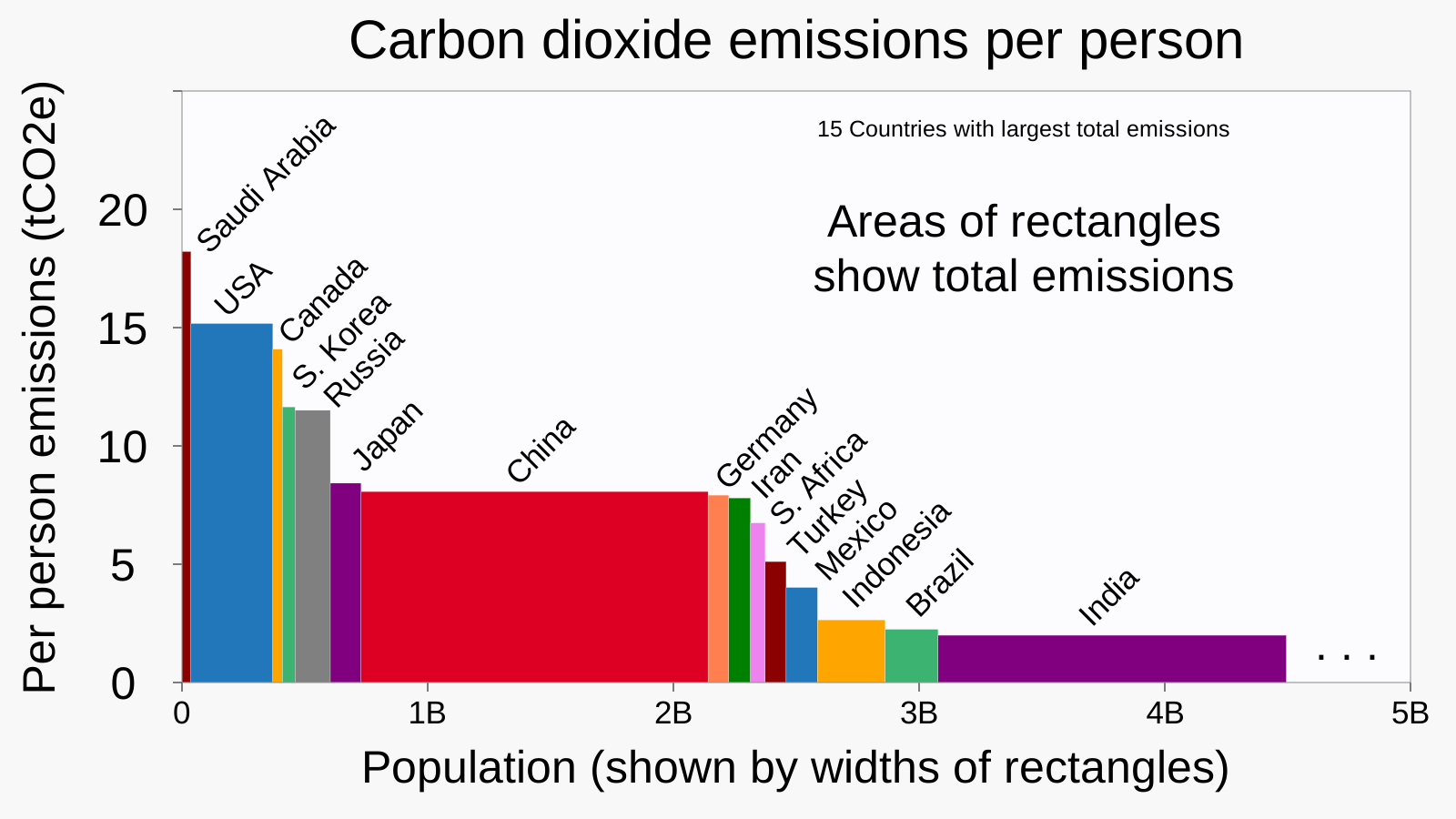
Every year, people around the world release a huge amount of these gases – about 50 billion tons! The power plants that make our electricity are the biggest source, followed by cars, trucks, and planes. Factories and farms also add a lot. While big cities might seem like they produce a lot, often the people living in cities use less gas per person than people in other areas. Interestingly, a study found that just 100 companies were responsible for most of the world's emissions. China releases the most gases overall, but countries like the United States, India, and Russia also release a lot. Some countries are working hard to reduce their emissions, like countries in Europe.
It's important to know that not everyone contributes to this problem equally. People in richer countries often use much more energy and create more emissions than people in poorer countries. For example, someone in a rich country might create ten times more emissions than someone in a developing country. This is because richer countries often have more factories, more cars, and bigger homes that use more electricity. The richest 1% of people in the world have actually caused twice as many emissions as the poorest 50% of people over many years! This shows that how we live and what we buy really makes a difference.
“People in richer countries often use much more energy and create more emissions than people in poorer countries.”
Scientists and governments are always trying to figure out the best ways to measure these gases. It's tricky because gases can travel, and different gases stay in the air for different amounts of time. They also look at how much gas a country makes versus how much gas is made to create the things that country buys from other places. This helps them understand who is truly responsible for the emissions. Countries are also working together to set goals to reduce these emissions, like the Paris Agreement, which aims to keep the Earth from getting too hot.
Why does this matter?
- The warming Earth can lead to more extreme weather, like bigger storms, longer droughts, or more floods, which can affect where you live.
- It can change where animals and plants can live, possibly making some disappear forever.
- It affects the food we eat and the water we drink, as changes in weather can harm crops and water sources.
Ask Baiku anything about this article
Ask a question and Baiku will answer in plain English 🙂