The one thing to know:
Educational technology uses all sorts of tools and ideas to make learning and teaching better and more fun for everyone.
TL;DR
- 1Educational technology uses computers, software, and smart ideas to help people learn and teachers teach.
- 2It's not just about screens; it includes anything that makes learning easier, from old slates to new AI.
- 3While super helpful, it also has challenges like making sure everyone has access and avoiding too many distractions.
Think of it like:
Think of educational technology like a superhero's toolkit for learning! Instead of just a pencil and paper, you get super cool gadgets like flying machines (online classes), x-ray vision (learning analytics), and even a super-speed potion (personalized learning) to help you learn faster and better, no matter where you are.
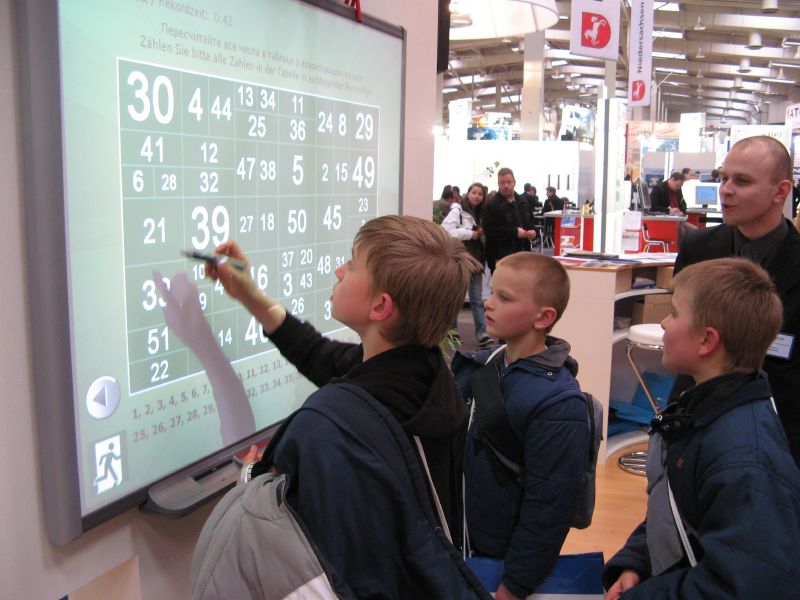
Have you ever used a computer or a tablet for school? Or watched a video to learn something new? That's all part of something called , or "edtech" for short! It's all about using cool tools and smart ideas to make learning and teaching easier and more exciting. It includes things like computer hardware (the physical parts, like your tablet), software (the programs you use), and even special ways of thinking about how people learn best.
When people say "EdTech," they often mean the companies that create these learning tools. But educational technology is much bigger! It uses ideas from many different areas, like talking to people, understanding how our brains work, and even how computers think. It helps us learn in many ways, like through online classes, apps on our phones, or special computer programs.
A group called the (AECT) says that educational technology is about studying and using the best ways to help you learn and do better. This means creating, using, and managing all the right tools and methods. It's not just about fancy new gadgets; it's also about the smart ways we use them.
Educational technology helps bring technology into your school in a good way. It makes learning more diverse and welcoming for everyone. It helps you learn how to use technology () and also helps you learn about your school subjects, like math or history. It's about using science to figure out the best ways to teach, whether it's with a piece of equipment or a special plan.
There are different ways to think about educational technology:
1. It's about the smart ideas and ways we teach.
2. It's about the actual tools, like big online courses, that help share knowledge. This is what most people mean when they say "edtech."
3. It's about systems that help manage your learning, like websites where you see your homework and grades.
4. It's about tools that help schools manage things behind the scenes, like keeping track of training or budgets.
5. It can even be a subject you study in school, like "computer studies."
“Educational technology is the process of integrating technology into education in a positive manner that promotes a more diverse and inclusive learning environment, enabling students to develop both technological literacy and subject-specific knowledge alongside their regular academic assignments.”
Educational technology is a big umbrella term. It covers both the tools we use and the ideas behind them. It's not just about modern digital things; it includes anything that makes teaching better, whether it's in a classroom, online, or a mix of both.
People who are experts in this field are called . They help create and improve learning systems. In some places, they might be called "learning technologists."
There are many other words that mean similar things, like "e-learning" (learning with electronics), "online learning," and "mobile learning" (learning on your phone). Even though there are many names, they all share the main goal of using technology to help you learn. For example, "m-learning" focuses on learning on the go, but it's still part of the bigger idea of educational technology.
Sometimes, terms like "virtual learning" used to mean exploring a pretend world on a computer. But now, it often just means any class where you learn online and don't have to go to a physical classroom. This means you can learn from anywhere, like your home! Sometimes, learning is so mixed into everything you do, you might not even realize you're learning. When learning can change to fit you perfectly, and you can access digital tools anywhere, anytime, that's called .
People have been using tools to help them learn for a very long time! Think about cave paintings, which were like early lessons. The helped people count, and writing slates were like mini-whiteboards. Books have been super important for hundreds of years.
In the early 1900s, people started using educational films and special machines to help with teaching. In the 1960s, smart people at Stanford University used computers to teach kids math and spelling. This was a big step!
Online learning started way back in 1960 at the University of Illinois, even before the internet was invented! Students used special computer terminals to get class information. Later, in the 1980s, people started offering full online degrees. Now, lots of students take online classes, and the number keeps growing.
During the COVID-19 pandemic in 2020, many schools had to close. This meant even more students started learning online. This made companies that create educational technology grow a lot, with lots of money being invested to make even better tools. Teachers still use digital tools more now than they did before the pandemic.
“Helping people and children learn in ways that are easier, faster, more accurate, or less expensive can be traced back to the emergence of very early tools, such as paintings on cave walls.”
There are different big ideas, or "theories," about how people learn, and these ideas help shape educational technology.
One idea is . This theory, from early 1900s, suggests that people learn through rewards and punishments, much like training a pet. It focuses on what you can see people do. So, educational technology based on this might give you points for getting answers right.
Another idea is . This theory looks at how your brain works, like how you remember things. It's like your brain is a computer that takes in information, processes it, and stores it. Educational technology using this idea might help you organize information in your mind or remember things better.
Then there's . This idea says that you build your own understanding of the world based on what you already know and new experiences. Teachers become guides, helping you explore and discover things for yourself. Educational technology based on this might involve projects or games where you figure things out on your own.
Educational technology can be used in many ways. Sometimes, you learn at the same time as others, like in a live online class. This is called . It's like a video call where everyone talks and learns together.
Other times, you learn at your own pace, whenever you want. This is called . You might watch a video, read something online, or do homework whenever it works best for you. This is great if you have other things to do, like helping with younger siblings.
There are also things like (CBT), which are like self-paced lessons on a computer. They often teach you step-by-step, like how to use a new computer program. You can get instant feedback on your answers.
Learning together is also important! (CSCL) uses tools like blogs or social media to help students work together on projects. It's like a team project, but online. This helps you learn from your friends and share ideas.
Have you heard of a ? That's when you learn new things at home, maybe by watching videos, and then you do homework and projects with your teacher in class. This gives you more time to get help from your teacher when you need it most.
There are so many different types of technology used in education! We use digital cameras, video cameras, and even smart whiteboards that you can write on with your finger. Blogs, online groups, and virtual classrooms are also popular.
Videos are a big part of it, from old VHS tapes to streaming videos online. Webcams let you see and talk to teachers and classmates, even if they're far away. Computers, tablets, and phones are super important because they let you access websites and apps for learning.
Tiny computers like can help you learn how to code and build cool things. The (IoT) connects everyday objects to the internet, which can also be used for learning. Social media and group webpages help you share ideas and work with others.
are online spaces where you can have live classes with a teacher and other students. It's like a real classroom, but you're all in different places. (LMS) are like online hubs where teachers put assignments, grades, and announcements, and students can turn in their work.
There's also (AI) being used. AI can be like a super-smart tutor, giving you personalized help and feedback. It can even help teachers with tasks. But we need to be careful with AI to make sure it's fair and doesn't give wrong information.
Educational technology is used everywhere, from preschool to grown-up jobs!
Even very young children can use technology, like educational apps or videos. It can help them learn new words or improve their hand-eye coordination. For older kids, online schools can be a great option if they can't go to a regular school, maybe because of health reasons or bullying concerns.
In college, lots of students take online courses. Big online courses called (Massive Open Online Courses) let people learn from top universities for free or at a low cost, even if they don't get college credit. Companies use e-learning to train their employees, and governments use it to train their staff too.
One of the best things about educational technology is that it can make learning available to more people, no matter where they live. It can also make learning more personal, so each student can learn at their own speed and in their own way. Many studies show that students often learn more and enjoy classes more when technology is used well.
However, there are some downsides. Sometimes, new technology gets too much hype and doesn't actually help as much as people think. It's also important to make sure that technology doesn't distract you from learning. There's also a worry about the , meaning some people don't have access to technology, which can make it harder for them to learn. And we need to be careful about protecting your private information when you use online learning tools.
Teachers also need good training to use technology effectively. It's not just about having the tools, but knowing how to use them in the best way to help you learn. Technology can change how our brains work, so it's important to use it wisely, especially when you're young.
Why does this matter?
- Educational technology helps you learn in new and exciting ways, like playing educational games or taking virtual field trips, making school more fun.
- It allows you to learn at your own pace and in your own style, so if you need more time on a topic or want to zoom ahead, you can!
- It prepares you for the future by teaching you how to use technology, which is super important for almost every job and part of life today.
Ask Baiku anything about this article
Ask a question and Baiku will answer in plain English 🙂
