The one thing to know:
Barter is a way to trade things directly with someone else without using any money.
TL;DR
- 1Barter is when people trade goods or services directly, without using money.
- 2It was a common way to trade before money was invented and is still used today, especially during tough times or in special trading groups.
- 3Barter can be tricky because both people need to want what the other has, and it's hard to decide how much things are worth.
Think of it like:
Think of it like you have a cool toy car, and your friend has a yummy snack. If you trade your toy car for their snack, you've just bartered! No money needed, just a direct swap.
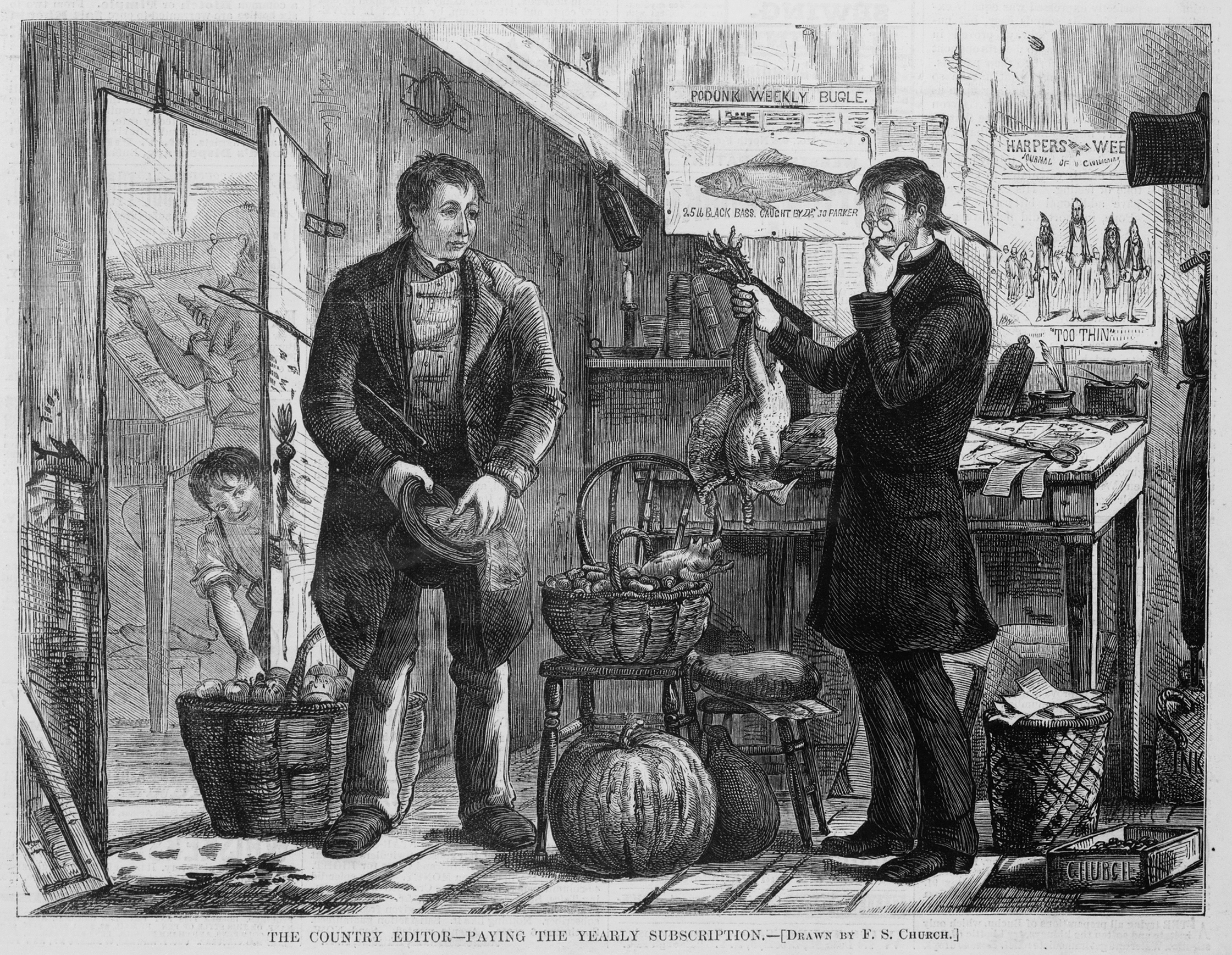
Imagine a time before money existed! How did people get what they needed? They used something called . Barter is a super old way of trading where people swap things they have for things they want, directly. So, instead of buying a toy with coins, you might trade your drawing for your friend's toy. It's all about direct swaps, without using any .
Experts who study how people trade, called economists, say barter is different from just giving gifts. With barter, you trade right away. It's usually just two people trading, but sometimes more people can join in if there's a special trading group. In most places today where money is used a lot, barter isn't very common. But if money becomes tricky to use, like when prices go super high (that's called ), people might start bartering more to get what they need.
A long time ago, a smart thinker named had ideas about how trading started. He thought that people started to become really good at making just one thing, like pottery or clothes. This meant they needed to trade with others to get everything else they needed to live. At first, they would barter.
But there was a problem! It's called the "." This means that for a trade to happen, you have to want what I have, AND I have to want what you have. If I have apples and want shoes, but you have shoes and want bananas, we can't trade! Adam Smith thought that because of this problem, people started using special items, like salt or metal, that almost everyone would want. These special items eventually became money, making trading much easier.
Some people, like another smart person named David Graeber, have different ideas. He thought that barter mostly happened between strangers. If people knew each other, they often helped each other out and trusted that they would get something back later, rather than doing an immediate swap. This was more like sharing or giving gifts, not strict bartering.
“For a trade to happen, you have to want what I have, AND I have to want what you have.”
Bartering has some special rules. Usually, people trade different kinds of things. Like, you trade your drawing for a toy, not your drawing for another drawing. Both people in the trade are equal and can decide not to trade if they don't want to. The trade usually happens right away, at the same time.
When you barter, the things you trade can become more special to the new owner. For example, your drawing might mean more to your friend because they love your art, even if it was just a drawing to you. One tricky part of barter is that there's no easy way to say exactly how much something is worth. People just talk and agree on a fair swap.
Barter can be really helpful sometimes! If there isn't much money around, or if people don't trust banks, bartering lets them still get what they need. It's also good if money is losing its value super fast, like during hyperinflation, because you don't have to hold onto money that's becoming worthless. Plus, with barter, you usually don't have to worry about paying extra money called on loans.
Even with its good points, barter can be difficult. The biggest problem is that "double coincidence of wants" we talked about. It's hard to find someone who has exactly what you want AND wants exactly what you have. Also, it's tough to know how much things are really worth when you don't have money to compare them. How many apples are worth one pair of shoes?
Another issue is that some things can't be easily split. If you want half a cow but only have a small bag of grain, it's hard to make a fair trade. And if you trade things that spoil quickly, like fresh fruit, it's hard to save your wealth for later.
“It's hard to find someone who has exactly what you want AND wants exactly what you have.”
Sometimes, people would trade without even talking! This was called "" and happened between strangers who didn't speak the same language. They would leave goods in a spot, and if the other group liked them, they'd leave their own goods in return. This shows that even without talking, people found ways to trade.
Barter becomes really important during a . This is when a country's money isn't working well, maybe because there's not enough of it, or it's losing value super fast. For example, in Venezuela, when their money became almost worthless, people started bartering for everyday things like food and medicine. After the big money problems in 2008, more businesses started using organized barter groups to trade with each other.
Today, there are special groups called that help businesses trade. Imagine a club where members can offer their goods or services and get special 'trade credits' instead of cash. Then, they can use those credits to buy things from other members of the club. This helps businesses sell extra stuff they have and get what they need without using real money. These exchanges keep track of everything and charge a small fee to help make it all work.
There are also ideas like or 'time stores' where people trade their time or skills. For example, you might babysit for someone and earn credits, then use those credits to get help with your homework from another person in the same group. This is a way to help communities trade and support each other without always relying on regular money.
Even when you barter, the government might still want to know about it for . In some places, if you trade something and make a profit, you might have to pay taxes on that profit, just like if you sold it for cash. Barter exchanges often have to tell the government about the trades that happen. So, even though you're not using money, it's still important to understand the rules about trading.
Why does this matter?
- Understanding barter helps you see how people got what they needed before money, and how they still do in some parts of the world or during tough times.
- It teaches you about the value of things beyond just their price tag, and how people can be creative to get what they need.
- Knowing about barter can help you think about different ways to share and trade with friends, like swapping toys or helping each other with chores.
Ask Baiku anything about this article
Ask a question and Baiku will answer in plain English 🙂