The one thing to know:
Our Earth is wrapped in a special blanket of air called the atmosphere, which keeps us safe and helps life thrive!
TL;DR
- 1The atmosphere is a mix of gases like nitrogen and oxygen that surrounds Earth, held by gravity.
- 2It protects us from space, helps control the temperature, and creates our weather.
- 3The atmosphere has different layers, each with its own special job, from where we live to the edge of space.
Think of it like:
Think of Earth's atmosphere like a giant, invisible blanket made of air. This blanket keeps us warm, protects us from bad stuff outside, and even helps us breathe and have weather, just like your cozy blanket keeps you warm and safe in bed!
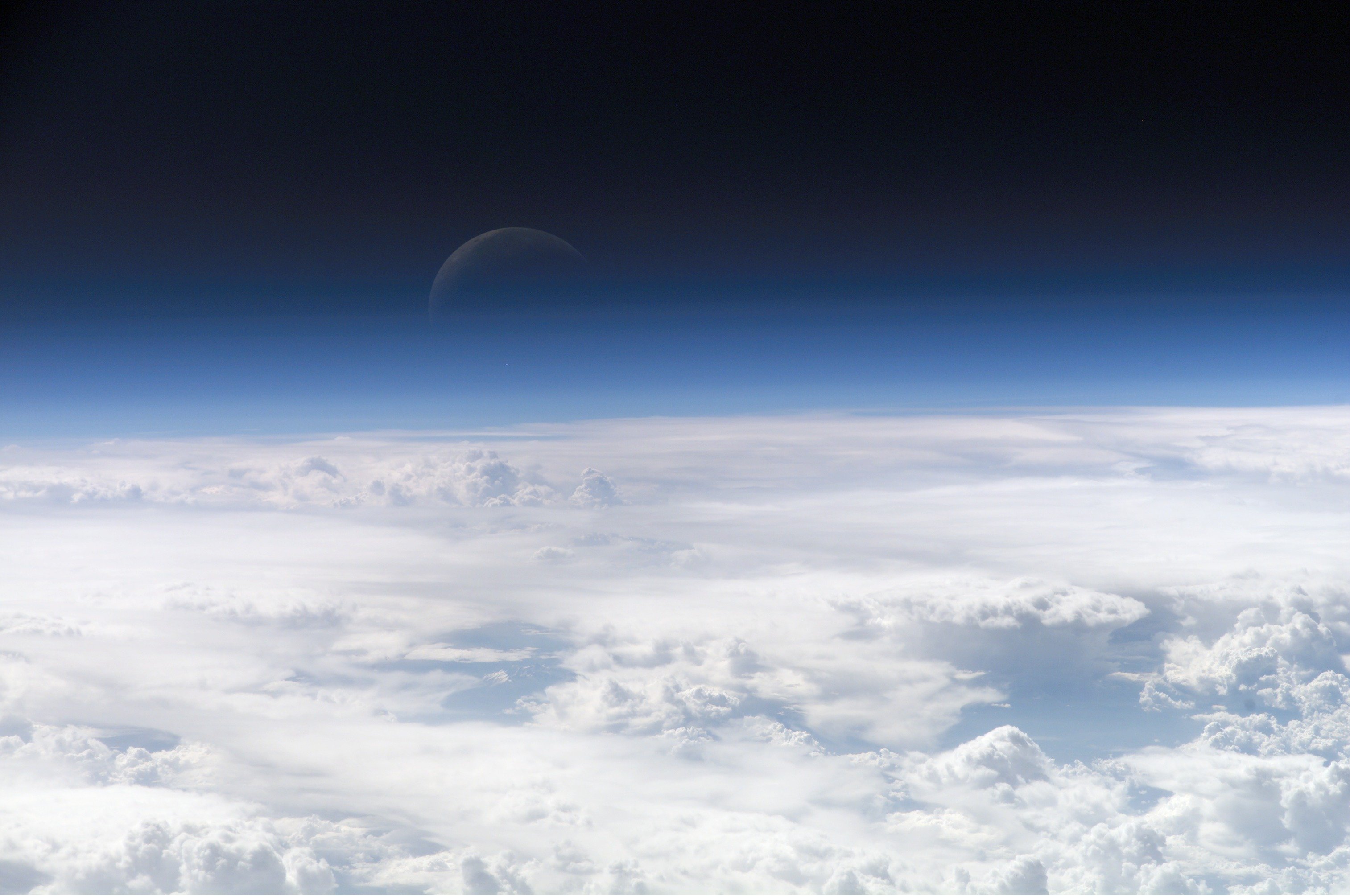
Imagine our Earth wearing a big, invisible jacket! This jacket is called the , and it's made of a mix of gases, which we usually call . This air stays around Earth because of something called , which is like an invisible super-glue pulling everything towards our planet. This amazing air blanket does so many important jobs for us, like keeping us safe from things in space and making sure our planet isn't too hot or too cold.
The atmosphere is super important because it acts like a shield. It stops most tiny space rocks, called meteoroids, from hitting us. It also blocks harmful rays from the Sun, like ultraviolet radiation, which can hurt our skin. Plus, it helps keep our planet warm, so it doesn't get freezing cold at night and super hot during the day. This warming effect is called the .
The air also moves heat and water all around the world, creating our weather and making sure plants and animals have what they need to live and grow.
“The atmosphere is super important because it acts like a shield.”
What is this air made of? Mostly, it's two gases: about 78% is and about 21% is , which is the gas we breathe! There's also a tiny bit of argon (less than 1%) and even smaller amounts of carbon dioxide and other gases. There's also water vapor, which is water in gas form, and it changes how much there is depending on the weather.
Long, long ago, Earth's air was very different. Over billions of years, things like volcanoes, space rocks, and especially tiny living things like plants changed the air to what it is today. But now, people are also changing the air, like when we drive cars or cut down too many trees. This can lead to things like climate change, which makes our planet warmer.
Our atmosphere is really thick, but most of the air is actually quite close to the ground. About three-quarters of all the air is within just 11 kilometers (about 7 miles) of Earth's surface. As you go higher up, the air gets thinner and thinner, until there's almost no air left and you're in space! Scientists often say space starts at a line called the Kármán line, which is about 100 kilometers (62 miles) up.
The atmosphere isn't just one big layer; it's like an onion with different layers stacked on top of each other. Each layer has different temperatures and different things happening in it. The main layers are the troposphere, stratosphere, mesosphere, thermosphere, and exosphere.
“The atmosphere isn't just one big layer; it's like an onion with different layers stacked on top of each other.”
Let's look at these layers, starting from the one closest to us:
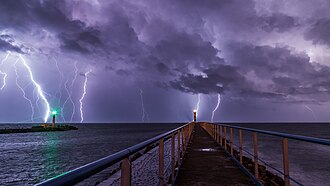
The is where we live! It goes up about 12 kilometers (7.5 miles). Almost all the weather we experience, like clouds, rain, and wind, happens here. Airplanes fly in this layer, too.
Next is the , which goes up to about 50 kilometers (31 miles). This layer has a very special part called the . The ozone layer is like sunscreen for Earth, blocking most of the Sun's harmful ultraviolet rays. This is why it gets warmer as you go higher in this layer.
Above that is the , from about 50 to 80 kilometers (31 to 50 miles). This is the coldest part of the atmosphere, and it's where most meteors (shooting stars!) burn up before they can hit Earth.
Then comes the , which goes up to about 700 kilometers (435 miles). Even though it can get super hot here (up to 1500°C!), you wouldn't feel hot because the air is so thin. This is where the amazing northern and southern lights (auroras) happen, and where the International Space Station orbits!
Finally, the is the very top layer, slowly fading into outer space. It's super thin, and tiny bits of gas can actually escape into space from here. Many satellites orbit in this layer.
Why does this matter?
- The atmosphere gives us the air we breathe, which is essential for every living thing on Earth.
- It protects us from dangerous things like harmful sunlight and falling space rocks, keeping us safe.
- The atmosphere helps create our weather and keeps our planet at a comfortable temperature, allowing plants and animals to grow and thrive.
Ask Baiku anything about this article
Ask a question and Baiku will answer in plain English 🙂