The one thing to know:
Robotics is all about creating smart machines that can help us do amazing things in the world!
TL;DR
- 1Robotics is the study of designing, building, and using robots, which are machines that can help people.
- 2Robots need a power source, mechanical parts, a control system, and software to work.
- 3Robots can do many jobs, from helping in factories and hospitals to exploring space, but they also change how people work.
Think of it like:
Think of it like building a super cool toy car, but instead of just rolling it around, you teach it to drive itself, pick up your blocks, and even talk to you! That's kind of what robotics is like, but for grown-up tasks.
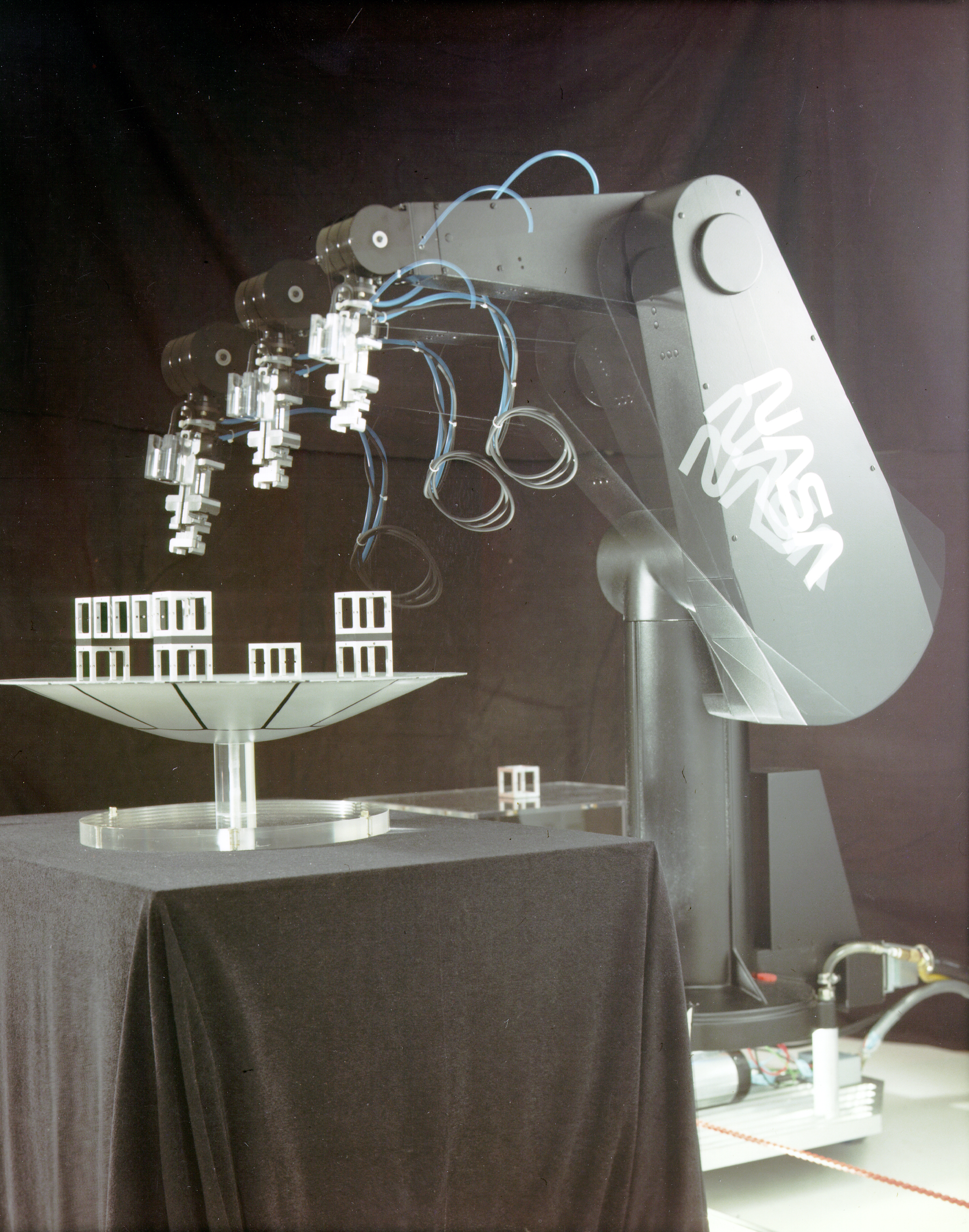
Imagine machines that can do chores, explore faraway planets, or even help doctors. That's what is all about! It's a special area of study where people learn to design, build, and use these amazing machines called . A person who works with robots is called a . Robots are like super clever helpers that combine different parts to work. They need power, moving parts, a brain (control system), and instructions (software) to do their jobs.
The main goal of robotics is to create machines that can help us in many different places. This could be on farms, in factories, at home, or even in space! Robots can make our lives easier, but they also change how people work. Some jobs might be done by robots, which means people might need to find new kinds of jobs. But robotics also creates many new and exciting jobs, especially for people who love to learn and invent. Roboticists are always trying to make robots that can work smoothly with humans, almost like friends. This field is growing very fast, with lots of new ideas and discoveries happening all the time!
To make a robot, you need a few important things, just like baking a cake needs different ingredients. Robots usually have four main parts that work together.
First, they need a , which is like their food. This could be a battery, electricity from a wall, or even gasoline. Second, they need a body, which is their . This includes all the physical parts that help them move, like wheels, tracks, or even arms and hands. Third, they need a brain, called a . This uses tiny electrical parts to run the robot's instructions and make its parts move. Finally, they need , which is like the robot's instructions or recipe. This tells the robot what to do and when to do it. Sometimes, people control robots with a remote, or the robots can think for themselves using (AI).
Robots need energy to move and do their tasks. Think of it like how you need food to play and learn! Many robots use batteries, just like your toys. Some batteries are big and heavy, while others are small and light, but they all store energy. Scientists have to think about how safe a battery is, how long it lasts, and how much it weighs when they design a robot.
Other ways robots can get power include generators (like little engines), or even by being plugged into a wall with a cord. Some cool ideas for future power sources include using sunlight, compressed air, or even garbage! Each power source has its own good and bad points, like how heavy it is or how much space it takes up.
The moving parts of a robot are called . These are like the robot's muscles! They take the stored energy and turn it into movement. The most common actuators are electric motors, which can make wheels spin or arms move. Some motors are good for small, light robots, while others are strong enough for big factory robots.
There are also special types of actuators, like ones that use tiny vibrations to move things very precisely, or ones that use squishy materials that change shape when electricity is applied. These can make robots move in new ways, like having super strong arms or even faces that can show feelings! Scientists are even looking at materials that could make robot muscles stronger than human muscles one day.
"The 'muscles' of a robot are called actuators, and they turn energy into movement!"
How a robot moves around is called locomotion. Some robots have just one or two wheels and can balance really well, like a person on a pogo stick! Others have four or six wheels, or even tracks like a tank, to move over rough ground. Walking robots are tricky to build, especially ones with two legs like humans. It's much easier to build robots that walk on more legs.
Scientists use clever tricks to make walking robots balance. One way is to make sure the robot's weight is always perfectly over its feet, so it doesn't fall. Another way is to make the robot constantly adjust its balance as it moves, like a person walking on a wobbly surface. Some robots even use the swing of their legs to help them walk more easily, like a pendulum.
Not all robots stay on the ground! Airplanes can be like flying robots with pilots just guiding them. There are also tiny flying robots that look like insects or birds, and even robots that can swim like fish or climb walls like geckos! These robots learn from nature to move in amazing ways. Some robots even sail on the ocean, using the wind to move and only needing batteries for their computers.
“Not all robots stay on the ground! Airplanes can be like flying robots with pilots just guiding them.”
When a robot needs to grab, move, or change things, it uses . Think of these as the robot's arms and hands. The part at the very end of the arm, like a hand or a tool, is called an . Many robot arms can swap out their end effectors, so they can do different jobs, like picking up a tiny screw or a heavy car part.
One common type of end effector is a 'gripper,' which is like a pincer that can open and close. Some grippers hold things by squeezing them tightly, while others cradle objects gently. Robots can also use suction cups to pick up smooth, flat things, like car windows. This is very common in factories because it's gentle and works well.
For a robot to do its job, its mechanical parts need to be controlled. This happens in three steps: sensing, thinking, and acting. First, give the robot information about its surroundings, like what's in front of it or how hot it is. These sensors are like the robot's eyes, ears, and touch.
Next, the robot's brain (control system) takes all this information and 'thinks' about it. It processes the data and decides what to do next. Finally, it acts! It sends signals to the actuators (muscles) to make the robot move in the right way. This whole process can be very simple or very complex, depending on what the robot needs to do. For example, a robot might use cameras to see objects and then AI to figure out how to move around them without bumping into anything.
The instructions that tell a robot what to do are called software. This is like the robot's brain programming. Sometimes, a person uses a remote control to tell the robot exactly what to do. Other times, the robot has (AI) built-in, which means it can make its own decisions based on what its sensors tell it. These are called autonomous robots.
Some robots use a mix of both! A person might give a general command, and then the AI figures out all the little movements needed to complete the task. For robots that move around, like self-driving cars, the software also helps them create maps, figure out the best path, and avoid crashing into things. They use special tools like GPS, radar, and cameras to understand their environment.
“The instructions that tell a robot what to do are called software. This is like the robot's brain programming.”
Why does this matter?
- Robots can do dangerous jobs for us, like exploring volcanoes or cleaning up toxic waste, keeping people safe.
- Robots can help us in our daily lives, from vacuuming our floors to helping doctors perform surgeries, making things easier and more precise.
- Learning about robotics helps you understand how technology works and might even inspire you to invent the robots of the future!
Ask Baiku anything about this article
Ask a question and Baiku will answer in plain English 🙂


